

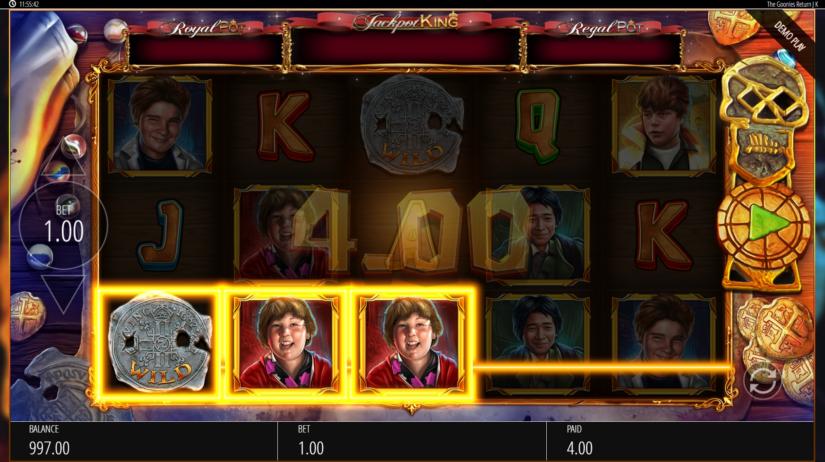
Is it possible for a slot machine evaluate skill? This notion raises questions, but modern games constantly find ways to offer players more control goonies.uk. Blueprint Gaming’s The Goonies Slot puts a number on that control with its structured Skill Rating system. This review examines how that system operates, what it changes about playing the game, and how it provides UK players a tangible score for their performance within the movie-themed adventure.
Grasping the Skill Rating System
The Skill Evaluation in The Goonies Slot is a real-time score. It evaluates the decisions you take inside the game’s bonus features. Standard slots operate on Random Number Generators (RNG) alone. This one grants you points for making smart choices. The game calculates your rating as you play and shows it to you instantly. You get rapid feedback on if your strategy in the interactive sections was effective.
This turns a passive activity into something that needs your attention. It contrasts how you performed against the ideal moves, adding a layer of depth most slots are missing. The system rewards you for understanding the game’s rules and for evaluating risks well. It offers a feeling of achievement that goes beyond the cash you earn.
Comparison Classic RNG Slots
In a traditional slot, the result is determined the moment you spin by the RNG. Nothing you can do changes it. The Goonies Slot’s Skill Rating represents a distinct shift away from that. The base game spins are still driven by chance, but the bonus features bring in skill. This forms a hybrid model.
Placing them alongside each other demonstrates where game design is heading. It strikes a intermediate spot between pure luck and pure skill, which appeals to players who seek to be more active. The rating gives you a metric that makes this experience stand out. It enables you to track yourself improve over time, an achievement you could never before do in a standard RNG slot.
Likely Limitations and Factors
The setup is intelligent, but it’s not perfect. The expertise part only takes place in bonus rounds. The core game is still all about chance. You could not trigger those bonuses for a lengthy time, so you won’t encounter the rating system at all. Also, concentrating too intensely on your rating could be annoying if a high-skill play still rewards very low because the RNG didn’t align.
New players encounter a learning curve. Early ratings might be poor, which could deter some people. The system anticipates you to desire to improve, and that doesn’t match every player’s preference. It’s advisable to think of the Skill Rating as an additional element, not a assurance that you’ll make a return.
Advantages of a Transparent Rating System
A clear Skill Rating system brings several benefits. It enhances player engagement by establishing clear goals that aren’t just about money. Chasing a higher rating evolves into its own challenge. It also imparts you better strategies, because the rating mirrors how good your decisions were.
The system brings a sense of fairness and control. Players can watch how their choices unfold, which often seems more satisfying and less annoying than pure luck. This openness builds trust in the game. It can also result in play sessions longer, as people try to beat their own personal best score.
Measurement and Display of Player Outcomes
The game employs an internal algorithm to evaluate your performance. It tracks every individual decision you take in the skill-based parts. Your rating pops up right after the bonus round ends. You’ll usually see a letter grade like an A+ or a B, or maybe a numerical score out of 100. This display is integrated cleanly into the game’s interface.
Some versions might even keep a history, letting you look back at your ratings from past sessions. This measurement provides you feedback you can use immediately. It converts a result that could seem random and turns it transparent, a direct product of your choices. You can see exactly what helped or harmed your score.
Key Decisions Shaping the Rating
Getting a high Skill Rating requires using the right tactics. You need to remember which paths in the bonus games pay best, understand what the symbols are worth, and make careful choices about when to risk it. For example, selecting a door that leads to a round where you accumulate multipliers will likely raise your rating more than choosing one for a simple cash prize.
The order of your actions is also important. Navigating efficiently to collect the most treasure with the fewest moves usually scores higher. This demand for strategy calls for planning and a good knowledge of the game’s rules. It pays back the players who spend time learning how everything fits together.
Factors of the Rating Score
Your total Skill Rating isn’t a haphazard value. It’s a total built from several different parts. The key factors are how well you accumulate treasure in bonuses, your pick of multipliers or paths, and how you manage options that weigh risk and reward. Each part supplies a particular amount to the overall score.
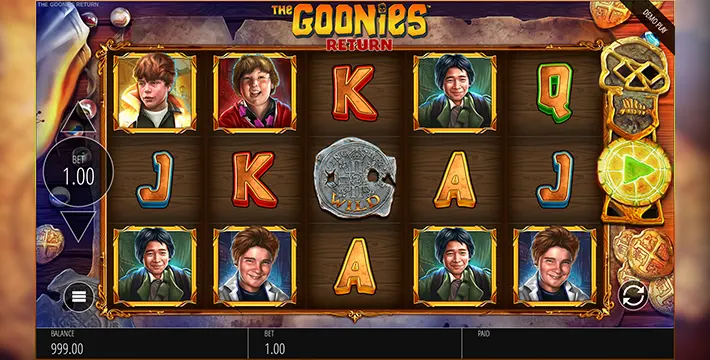
- Treasure Collection Efficiency: You earn points for completing maps quickly and picking up the most valuable symbols.
- Strategic Selection Accuracy: The game credits you for choosing the correct doors or paths that yield better multipliers.
- Risk Management Proficiency: It assesses how you approach gamble features or choose to lock in a win instead of chasing a bigger one.
Combine these elements, and you obtain a composite score. The game often displays this as a letter grade or a number out of 100, offering you a steady benchmark for your session.
Influence on Bonus Feature Gameplay
The Skill Rating system engages in the special bonus rounds, like “One-Eyed Willy’s Treasure” or the “Skeleton Organ” game. Here, you take active choices that determine what happens next. The system evaluates every choice. Because of this, two players who enter the same bonus round can finish with completely different ratings and prizes.
This design encourages you to play again and get better. You get a reason to master the ins and outs of each bonus game to boost your rating higher. It shifts the goal. Instead of just waiting for a bonus to hit, you center on playing it as well as you can. That strategic layer can actually affect how volatile your session feels and its potential return.
Future of Skill-Based Elements in Slots
The Skill Rating in The Goonies Slot indicates what’s next. Slot games are likely to include more gamification and player control. This trend appeals to players who want interactive fun, more like a video game. Later, we may see these ratings used in tournaments or loyalty schemes. They could even affect a game’s story or unlock hidden content.
As the tech gets better, these systems will grow more complex. They might use adaptive algorithms to adjust the challenge based on your skill. This evolution softens the line between gambling and gaming, which will spark new talks about regulation and design. The Goonies Slot stands as an early, working example of how to weave a skill metric into a classic slot machine.
FAQ
What specifically does the Skill Rating measure in The Goonies Slot?
It measures how well bloomberg.com you do during the interactive bonus rounds. The game evaluates how skillfully you accumulate treasure, which paths you pick, and how you manage risks. It bundles all this into one score or grade that shows your performance against the best possible way to play those features.
Can a higher Skill Rating promise greater wins?
No, it doesn’t. Skilful play generally produces better results inside the bonus games, but the final prize values are still shaped by the Random Number Generator. The rating evaluates the quality of your decisions, not the random prize amounts tied to them.
Is it possible to improve my Skill Rating over time?
Yes, you can. The Skill Rating is designed to indicate you’ve learned the game. Get to know the layout of the bonus games, what the symbols are valued at, and the best routes to choose. With practice and by noting what succeeds, you’ll make sharper choices. Your rating should rise as a result.
Is The Goonies Slot game considered a game of skill or chance?
Legally, it’s a game of chance because its core mechanics use an RNG. But it incorporates strong skill-based parts during the bonus features, producing a hybrid. The base game spins are pure luck. The bonus rounds enable your skill influence the outcome and your rating.
Where is my Skill Rating shown during gameplay?
You’ll see it right after a skill-based bonus round finishes. A pop-up or a graphic on the screen will display your letter grade or numerical score. It isn’t visible during ordinary base game spins, only after the segments where you make active decisions.
Do all players able to use the Skill Rating system?
Every player who gets into the relevant bonus features will experience the Skill Rating system. But you have to access those rounds first, which means hitting specific scatter symbols in the chance-based base game. The system is only functional inside those feature games.

