

The evolution of casinos A journey through time and culture
Historical Roots of Gambling
The origins of gambling can be traced back to ancient civilizations, with evidence suggesting that games of chance were played in China as early as 2300 BC. Archaeological findings reveal that rudimentary gambling activities included simple dice games and betting on outcomes of various events. As civilizations evolved, so too did the complexity of games, leading to the creation of more structured forms of gambling, such as lotteries and betting on sports events. These early activities laid the groundwork for what we now recognize as modern casinos. Additionally, if you’re interested in exploring the contemporary world of online gaming, you can visit https://peterdavison.ca/ for more information.

In ancient Rome, gambling became a popular pastime, often associated with social gatherings and entertainment. Citizens would gather in public places to engage in games of chance, with dice playing a prominent role. The Roman Empire’s influence helped spread gambling practices throughout Europe, leading to the establishment of taverns and public houses where people could gather and bet on various outcomes. This cultural shift marked the beginning of organized gambling, paving the way for the first casinos in the 17th century.
The emergence of formal gambling establishments occurred during the Renaissance in Italy. The first official casino, the Ridotto, opened its doors in Venice in 1638, offering a regulated environment for gamblers. This marked a pivotal moment in the evolution of casinos, as they transitioned from informal social gatherings to formal establishments with rules and regulations. Over time, the concept of casinos spread across Europe, evolving further with the addition of diverse games and increasingly elaborate environments.
The Rise of Casinos in the 19th Century
The 19th century saw a significant transformation in the landscape of gambling, particularly in Europe and America. As industrialization progressed, cities began to flourish, and casinos became synonymous with leisure and entertainment. The establishment of iconic gaming houses in places like Monte Carlo and Baden-Baden attracted the elite, turning gambling into a glamorous social activity. These venues featured luxurious decor, live performances, and fine dining, elevating the overall experience for patrons.
In the United States, the Gold Rush spurred a surge in gambling activities, particularly in newly established towns. The Wild West became a hub for casinos and saloons where individuals sought fortune, often leading to the creation of legendary stories and characters. This era cemented the association of gambling with adventure and risk, shaping cultural perceptions around casinos that still resonate today. The popularity of games like poker and blackjack grew during this time, leading to their inclusion in casino offerings.
By the end of the 19th century, the casino concept had firmly established itself in the public consciousness, resulting in a push for regulation. Many states began to legalize gambling, aiming to curb illegal operations and ensure fair play. This regulatory framework laid the foundation for the casino industry we recognize today, characterized by strict licensing and oversight. The evolution of casino legislation marked a new chapter, emphasizing the importance of consumer protection and responsible gambling practices.
Modern Developments and Technological Advances
The latter half of the 20th century brought monumental changes to the casino industry with the advent of technology. The introduction of slot machines revolutionized gambling, offering players a new, exciting way to engage with games of chance. These machines became a staple in casinos, appealing to a broader audience and generating significant revenue. The evolution of slots eventually led to electronic gaming devices, further enhancing the gambling experience.
As technology continued to advance, the rise of the internet in the 1990s introduced online gambling, changing the landscape entirely. Virtual casinos emerged, allowing players to enjoy their favorite games from the comfort of their homes. This new paradigm expanded the reach of casinos beyond geographical boundaries, attracting a global audience. The convenience and accessibility of online gaming provided players with an array of options, from classic table games to innovative slots, revolutionizing the way people approached gambling.
Today, the integration of mobile technology has taken online casinos a step further. Players can access their favorite games on smartphones and tablets, enhancing the flexibility of gaming experiences. Live dealer games have emerged, bridging the gap between traditional and online gambling by offering real-time interactions with dealers. This evolution reflects the industry’s ability to adapt to changing cultural perspectives on gaming, emphasizing convenience and engagement while prioritizing responsible gambling practices.
Cultural Perspectives on Gambling
Gambling has always been interwoven with cultural attitudes, influencing how societies perceive risk and chance. In some cultures, gambling is seen as a fun recreational activity, a way to socialize and bond with others. For example, in many Asian countries, games like Mahjong and Sic Bo are played during family gatherings and celebrations, highlighting the cultural significance of gambling as a communal experience.
Conversely, in other societies, gambling may carry a stigma, viewed as a vice that can lead to addiction and social issues. In these contexts, cultural narratives often emphasize the dangers of gambling, prompting calls for stricter regulations and educational campaigns on responsible gambling. This dichotomy illustrates how cultural perspectives shape the evolution of casinos and gambling practices, influencing everything from legislation to gaming formats.
The balance between entertainment and responsibility is a crucial theme in the discussion of gambling culture. With the rise of awareness around problem gambling, many casinos are adopting measures to promote safe betting practices. This cultural shift emphasizes the importance of education and support, ensuring that gambling remains a source of enjoyment rather than a cause for distress. As societies evolve, so too will their approaches to gambling, highlighting the ongoing journey of casinos through time and culture.
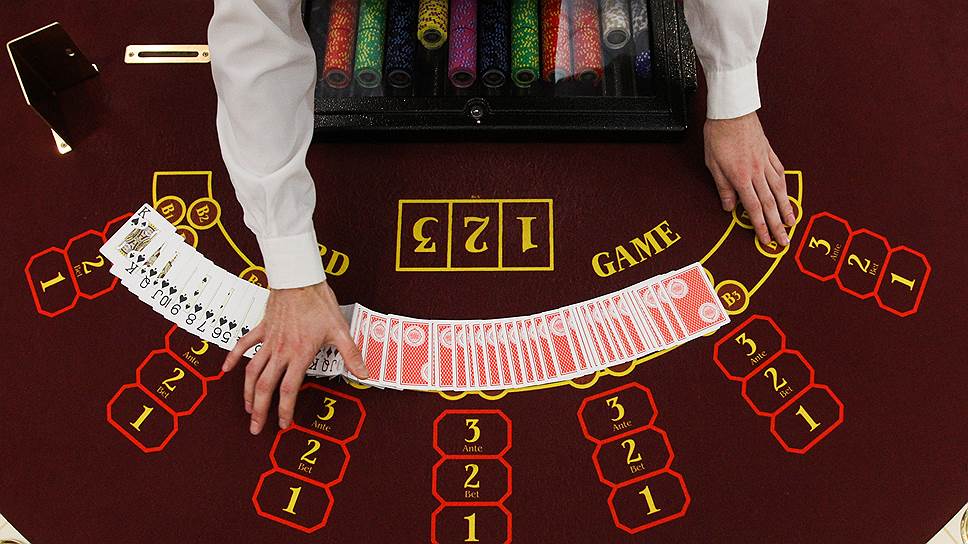
Pinco Casino Canada: A Contemporary Gaming Experience
As the casino landscape continues to evolve, platforms like Pinco Casino Canada exemplify the modern approach to online gaming. Offering a secure and comprehensive experience, Pinco provides players with access to thousands of games, from traditional table games to the latest slot machines. This online casino has embraced technology to create an engaging environment that caters to the diverse preferences of contemporary gamers.
Pinco Casino also emphasizes responsible gambling, incorporating features that promote awareness and education. With resources available for players seeking guidance on maintaining healthy gaming habits, the platform aims to create a supportive community. This commitment to responsible gaming reflects a growing trend within the industry, acknowledging the importance of player welfare alongside entertainment.
In conclusion, the evolution of casinos is a fascinating journey through time and culture, shaped by historical influences, technological advancements, and societal perspectives. With platforms like Pinco Casino leading the way in modern gaming experiences, the future of casinos looks promising, blending tradition with innovation while fostering a safe environment for all players.

